Uncategorized
UNDRESS YOUR MIND
(Alfred Kinsey interviewing a woman)
The Institute of Sexology is an unique exhibition in the UK of the “most discussed of the private acts”. It is a tribute to Magnus Hirschfeid’s Institut für Sexualwissenschaft in Berlim. Hirschfield, a Jewish doctor and sexologist, founded his Institute in 1919, a place that provided a huge number of archives and library on sexuality to the public and provided educational services and medical consultations, and also housed the Museum of Sex. Magnus Hirschfield, a Jewish doctor and sexologist, was an outspoken advocate for sexual minorities, a feminist, and is considered the father of transgenderism. The Institute was destroyed by the Nazis in 1933.
The exhibition features over 200 objects spanning art, rare archival material, erotica, film and photography, and focus on a scientific comprehension of sexuality, from Freud and Marie Stopes to Alfred Kinsey’s questionnaires, William Masters and Virginia Johnson, analyzing how information can changes attitudes towards sex.
Please note that ‘The Institute of Sexology’ includes exhibits and live events of a sexual nature.
Wellcome Collection. 183 Euston Road, London, NW1 2BE. Until 20th September 2015.
NIGHTMARES OF REASON
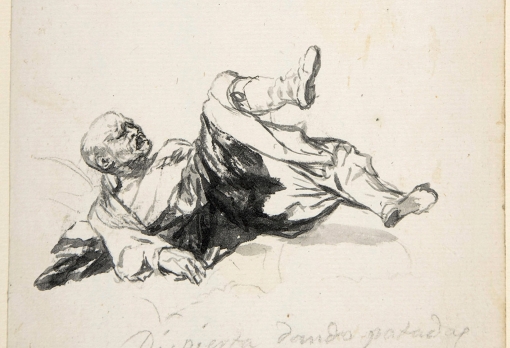
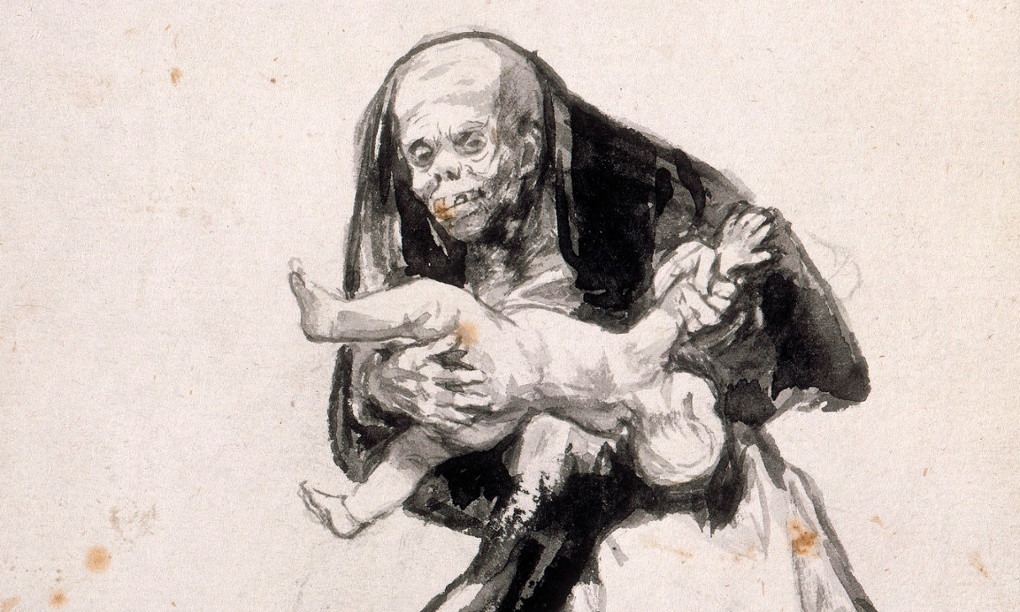
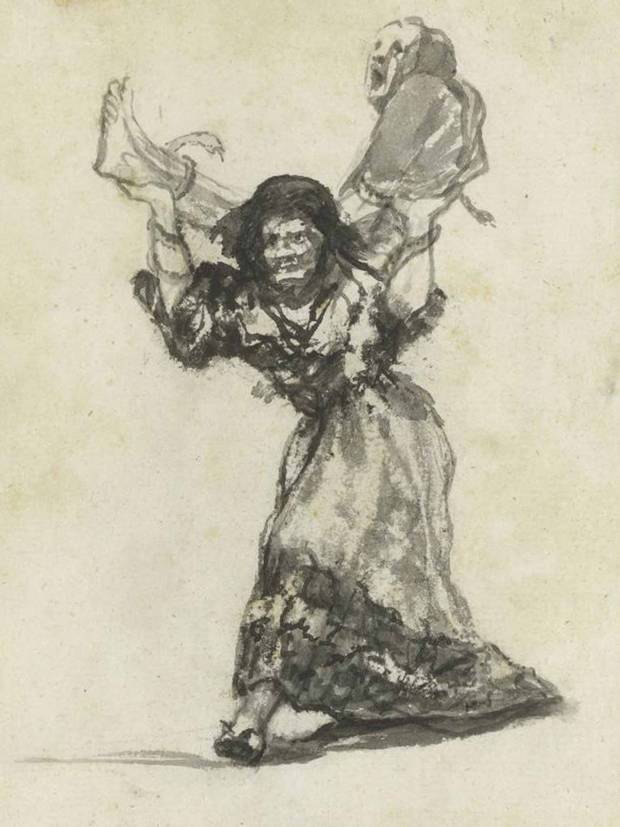
An amazing restoration work on a series of Francisco José de Goya y Lucientes’ private drawings is been exhibited at Courtauld Gallery in London until 25 May.
Album D, the Witches and Old Women Album, (circa 1819), have been brought together for the first time to the public in 150 years. Visions and nightmares, superstitions and the problem of old age (represented by witches) are the themes of these drawings, executed only in brush and grey ink and in small scales – you can see quite a few people using magnifying glasses to appreciate in full their details. Although a metaphor of the historical period in Spain and the long Inquisition, they represent mainly neural glimpses of Goya’s mind: his obsession with madness, the unconscious and the human animal.
These darker visions in Goya’s work appear after a mental breakdown and catastrophic illness that left him progressively deaf and socially isolated – presumably the cause was a lead intoxication from the pigments of his paints. After Goya’s death in 1828 these drawings passed to his only son, Javier (five of his six children died as infants – infants and witches are recurrent images in the album) and his grandson and later were bought by Francisco de Madrazo, who became director of the Museo do Prado.
He wakes up kicking.
Nightmare – detail (1816-1820)
Wicked woman
BISPO DO ROSÁRIO’S VISIONS OF PASSAGE
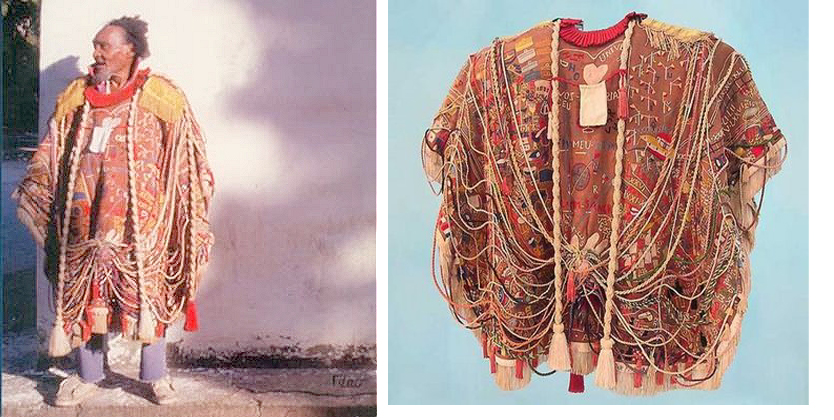
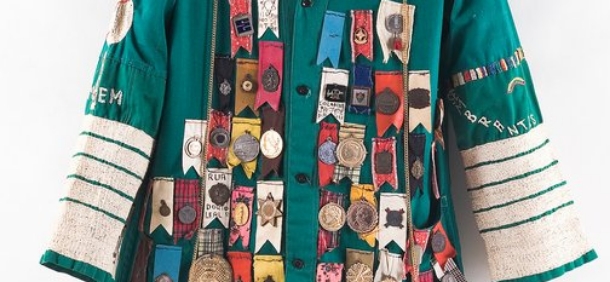
(Manto da representação, a ceremonial cape)
Arthur Bispo do Rosário (1909-1989) was born in Japaratuba, Sergipe, a small town in Brazilian North-East – a region known for its folk art and religious culture. He joined the navy in 1925, worked as a handyman and was also an amateur boxer. By the time he presented psychiatric symptoms (hallucinations) he was a domestic worker, living with a family in Botafogo, Rio de Janeiro. According to the history, Bispo do Rosário ‘entered a Rio monastery at 29 while conducting an imaginary army of angels and announced he had come to judge the living and the dead’. He was diagnosed with schizophrenia in 1938, and hospitalized for more than 50 years in a famous asylum in Rio, Colônia Juliano Moreira.
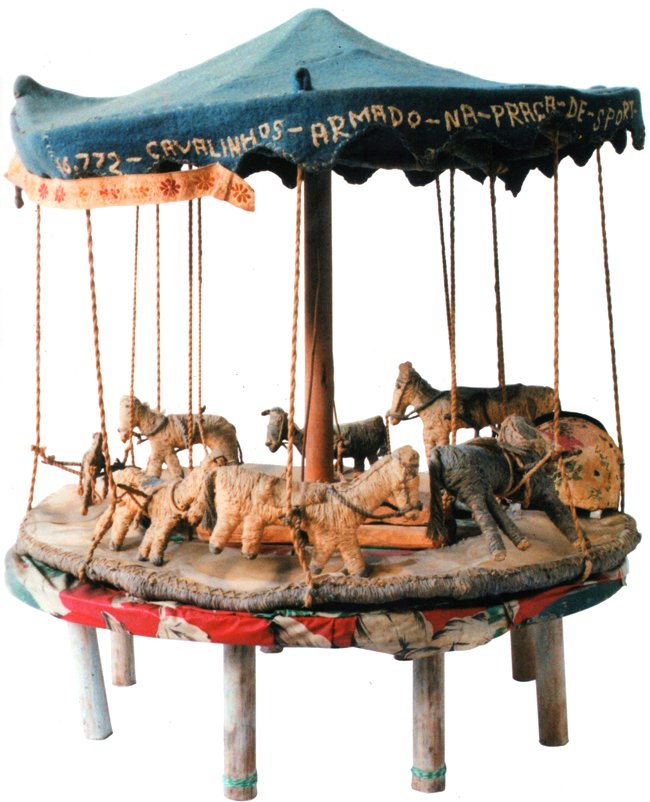
Completely isolated from the art establishment, Bispo do Rosário’s creations were viewed by himself as a spiritual journey to salvation: the mission of his artwork was to reach god and transcendence, a strategy he found to deal with his delirium. His ‘outsider’ art has long been celebrated for its imaginative approach to working with everyday, found materials in textiles and a variety of objects – he made use of all sort of discarded materials and hospital items in his work.
His work became well known after a documentary made by psychoanalyst Hugo Denizart in 1982 at the request of the Brazilian Ministry of Health to investigate the condition at the hospital where Bispo do Rosário lived. During this process Denizaro was so impressed with Rosário that decided to change the focus of his investigation.
The documentary ‘Prisioner of passage’ (see excerpt below) and Bispo do Rosário’s artworks were exhibited in modern art museums and at the Bienal in Brazil, and later at the Venice Bienal and more recently (2012) at the V&A Museum in London.
Virna Teixeira